Show sidebar

PEDOT:PSS, high-conductivity grade, 1.1% aqueous dispersion, surfactant-free – Sigma-Aldrich

RM1,351.00
Brand:

Sigma-Aldrich

Synonyms
Orgacon™ ICP 1050, PEDOT:PSS, Poly(2,3-dihydrothieno-1,4-dioxin)-poly(styrenesulfonate)

CAS No

General Description
Aqueous surfactant-free dispersion of high conductivity grade PEDOT:PSS polymer. Optimal performance in transparent conductive coatings may require addition of formulation ingredients (e.g. surfactants and high-boiling solvents).Conducting polymer such as poly(3,4-ethylenedioxythiophene) doped with poly(styrene sulfonate) anions (PEDOT/PSS) is widely used in various organic optoelectronic devices. PEDOT: PSS is a blend of cationic polythiopene derivative, doped with a polyanion. High electrical conductivity and good oxidation resistance of such polymers make it suitable for electromagnetic shielding and noise suppression. Thus, the polymer film was found to possess high transparency throughout the visible light spectrum and even into near IR and near UV regions, virtually 100% absorption from 900-2,000 nm. No absorption maximum from 400-800 nm. Impact of small electric and magnetic fields on the polymer was studied.

Poly(3,4-ethylenedioxythiophene)-poly(styrenesulfonate) (PEDOT:PSS) is a conductive polymer without a high boiling solvent (HBS), that is formed by electropolymerizing 3,4-ethylenedioxythiophene in a solution of poly(styrenesulfonate) (PSS). PEDOT is doped with positive ions and PSS with negative ions. It has the following properties that make it a viable polymer in organic electronics.

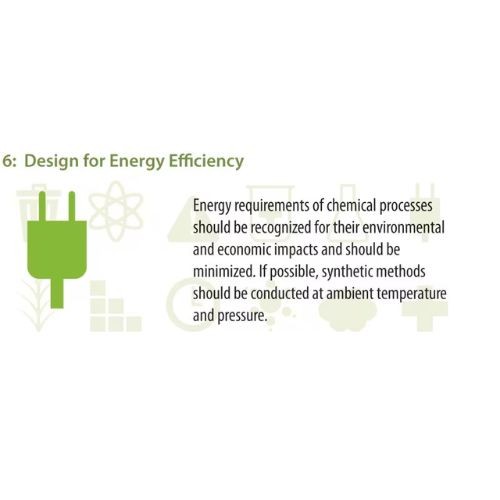
We are committed to bringing you Greener Alternative Products, which adhere to one or more of the 12 Principles of Green Chemistry. This product is used in energy conversion and storage, thus has been enhanced for energy efficiency. Click here for more information.

Applications
PEDOT:PSS can be used as an electrode material with high mobility for charge carriers. It can be used for a wide range of energy based applications such as organic photovoltaics (OPV), perovskite solar cells (DSSCs), organic light emitting diodes (OLEDs) and other biomedical sensors.

Used to prepare highly transparent conductive coating formulations. Primary and secondary nucleation by introducing PEDOT:PSS in a hydrogel was studied.

Virtually 100% absorption from 900-2,000 nm. No absorption maximum from 400-800 nm. Conductive polymer blend.

Legal Information
Product of Agfa-Gevaert N.V.
Orgacon is a trademark of Agfa-Gevaert N.V.

PEDOT:PSS, high-conductivity grade, 1.5% aqueous dispersion, neutral pH – Sigma-Aldrich

RM2,211.00
Brand:

Sigma-Aldrich

Synonyms
Orgacon™ N-1005, PEDOT:PSS, Poly(2,3-dihydrothieno-1,4-dioxin)-poly(styrenesulfonate)

CAS No

General Description
Aqueous surfactant-free dispersion of PEDOT:PSS neutralized to pH >5. Suitable for preparation of pH-neutral transparent conductive films printed electronics applications (e.g. hole injection layers). A conducting polymer such as poly(3,4-ethylenedioxythiophene) doped with poly(styrene sulfonate) anions (PEDOT/PSS) is widely used in various organic optoelectronic devices. PEDOT: PSS is a blend of cationic polythiopene derivative, doped with a polyanion. High electrical conductivity and good oxidation resistance of such polymers make it suitable for electromagnetic shielding and noise suppression. Thus, the polymer film was found to possess high transparency throughout the visible light spectrum and even into near IR and near UV regions, virtually 100% absorption from 900-2,000 nm. No absorption maximum from 400-800 nm. Impact of small electric and magnetic fields on the polymer was studied.

Poly(3,4-ethylenedioxythiophene)-poly(styrenesulfonate) (PEDOT:PSS) is a conductive polymer that is formed by electropolymerizing 3,4-ethylenedioxythiophene in a solution of poly(styrenesulfonate) (PSS). PEDOT is doped with positive ions and PSS with negative ions. PEDOT:PSS is majorly used in organic electronics due to the properties such as:

  • low band gap
  • good optical properties
  • high conductivity
  • low redox potential
  • easy processing
  • tunable film forming ability

We are committed to bringing you Greener Alternative Products, which adhere to one or more of the 12 Principles of Green Chemistry. This product is used in energy conversion and storage, thus has been enhanced for energy efficiency. Click here for more information.

Applications
PEDOT:PSS can be used as an electrode material that forms a layered structure with a high mobility for charge carriers. It can be used for a wide range of energy based applications, such as organic photovoltaics (OPVs), dye sensitized solar cells (DSSCs), organic light emitting diodes (OLEDs) and supercapacitors.

Virtually 100% absorption from 900-2,000 nm. No absorption maximum from 400-800 nm. Conductive polymer blend.

Features & Benefits
Reduced mean particle size with a tighter distribution of sizes allows for the creation of a smooth surface on the ITO electrode, and so electric “shorts” in LED devices can be reduced. Greatly reduced inherent conductivity reduces the occurrence of “cross-talk” in very small pixel (less than 10 micron) matrix array displays.

Legal Information
Product of Agfa
Orgacon is a trademark of Agfa-Gevaert N.V.

PEDOT:PSS, high-conductivity grade, 3.0-4.0% aqueous dispersion – Sigma-Aldrich

Price range: RM311.00 through RM1,241.00
Brand:

Sigma-Aldrich

Synonyms
PEDOT:PSS, Poly(2,3-dihydrothieno-1,4-dioxin)-poly(styrenesulfonate)

CAS No

General Description
Poly(3,4-ethylenedioxythiophene)-poly(styrenesulfonate) (PEDOT:PSS) is an organic semiconductor prepared by doping cationic poly(3,4-ethylenedioxythiophene) and poly(4-styrenesulfonate) anion. Its high electrical conductivity and good oxidation resistance make it suitable for electromagnetic shielding and noise suppression. PEDOT:PSS based polymeric films have a high transparency throughout the visible light spectrum and even in near IR and near UV regions, with virtually 100% absorption from 900-2000 nm. PEDOT provides the conduction properties and PSS forms a hydrated colloidal solution.

We are committed to bringing you Greener Alternative Products, which adhere to one or more of the 12 Principles of Green Chemistry. This product is used in energy conversion and storage, thus has been enhanced for energy efficiency. Click here for more information.

Applications
Electrical conductivity measurements herewith reported were on a film deposited by spin-coating on a clean glass, then dried (130 °C for 15 minutes on a hotplate). The layer thickness was determined by scratching the layer and measuring the profile/height of the scratch by a stylus profilometer. Electrodes for the measurement were by evaporating metal contacts (four-point probes).

PEDOT:PSS is an intrinsically conductive polymer (ICP) that can be coated on various substrates and nanostructures like fullerenes (C60) to form composites with high electrochemical properties for applications like low-cost printed electronics, optoelectronics, and polymeric solar cells. It can be used as a conductive hydrogel with polyethylene glycol-diacrylate (PEG-DA) for potential applications in tissue engineering. PEDOT:PSS also finds use in other organic electronic applications like organic thin film transistors (OTFTs) and dye sensitized solar cells (DSSCs).

Ready-to-use high conductivity coating formulation.
Virtually 100% absorption from 900-2,000 nm. No absorption maximum from 400-800 nm. Conductive polymer blend.

Packaging
Packaged in poly bottles

PEDOT:PSS, low-conductivity grade, 2.7 wt. % aqueous dispersion – Sigma-Aldrich

Price range: RM698.00 through RM1,696.00
Brand:

Sigma-Aldrich

Synonyms
PEDOT:PSS, Poly(2,3-dihydrothieno-1,4-dioxin)-poly(styrenesulfonate)

CAS No

General Description
A conducting polymer such as poly(3,4-ethylenedioxythiophene) doped with poly(styrene sulfonate) anions (PEDOT/PSS) is widely used in various organic optoelectronic devices. PEDOT: PSS is a blend of cationic polythiopene derivative, doped with a polyanion. High electrical conductivity and good oxidation resistance of such polymers make it suitable for electromagnetic shielding and noise suppression. Thus, the polymer film was found to possess high transparency throughout the visible light spectrum and even into near IR and near UV regions, virtually 100% absorption from 900-2,000 nm. No absorption maximum from 400-800 nm. Conductive polymer blend. Impact of small electric and magnetic fields on the polymer was studied.

Poly(3,4-ethylenedioxythiophene)-poly(styrenesulfonate) (PEDOT:PSS) is an intrinsically conducting polymer (ICP) that is prepared by blending poly(3,4-ethylenedioxythiophene) (PEDOT) and sodium poly(styrenesulfonate) (PSS). It is an aqueous emulsion in which PEDOT is positively charged and the PSS is the counter ion (negatively charged). It can act as an anode or a cathode material based on the application. It can be spin-coated on different substrates at 1000-5000 rpm.

Preferably applied by spin-coating. Filtration of the dispersion through a 0.45 μm memberane filter is recommended before use. The coatings are dried at a maximum temperature of 200 °C for 1 minute, but a temperature between 50 °C and 150 °C is usually sufficient. The optimal thickness of the dried layer is in the range of 50-250 nm.

Applications
PEDOT:PSS and poly(9-vinylcarbazole) (PVK) can be cross-linked to form a multi-layered organic light emitting diodes. Proton exchange membranes such as Nafion 212 can be coated layer by layer with PEDOT:PSS and poly(allylamine hydrochloride) (PAH).[9]
Useful as an interfacial hole injection layer in OLED and PLED devices to lower operating voltages, increase luminescence efficiency, and enhance display lifetimes.

Virtually 100% absorption from 900-2,000 nm. No absorption maximum from 400-800 nm. Conductive polymer blend.

Features & Benefits
Reduced mean particle size with a tighter distribution of sizes allows for the creation of a smooth surface on the ITO electrode, and so electric “shorts” in LED devices can be reduced. Greatly reduced inherent conductivity reduces the occurrence of “cross-talk” in very small pixel (less than 10 micron) matrix array displays.

Packaging
Packaged in poly bottles

Pef5 Pefloxacin

RM0.00
Brand:

Thermo ScientificTM OxoidTM

Manually determine the antibiotic susceptibility of microorganisms using Antimicrobial Susceptibility Testing (AST) methods in conjunction with reliable, easy-to-use Thermo Scientific™ Oxoid™ Pefloxacin Antimicrobial Susceptibility Disks.

Pefringens Agar 500g

RM0.00
Brand:

Thermo ScientificTM OxoidTM

  • Oxoid Perfringens OPSP Agar Base is used for the enumeration of Clostridium perfringens in foods.
  • lso available Perfringens OPSP Supplement A, Part No. SR0076E and Perfringens OPSP Supplement B, Part No. SR0077E.

Perfringens OPSP Agar Base, Oxoid Composition

Typical Formula*

gm/litre

Tryptone

15.0

Yeast extract

5.0

Soya peptone

5.0

Liver extract

7.0

Ferric ammonium citrate

1.0

Sodium metabisulphite

1.0

Tris buffer

1.5

Agar

10.0

pH 7.3 ± 0.2 @ 25°C


Perfringens OPSP Agar, Oxoid Preparation:
Suspend 22.8g in 500ml of distilled water and bring gently to the boil to dissolve completely. Sterilise by autoclaving at 121°C for 15 minutes. Allow to cool to 50°C and aseptically add the contents of one vial each of Perfringens Agar (OPSP) supplements A and B (SR0076 and SR0077) which have been rehydrated as directed. Mix well and pour into sterile dishes.

Storage conditions and Shelf life
Store the dehydrated medium at 10-30°C and use before the expiry date on the label.
Store the prepared medium at 2-8°C.

Precautions
The production of black colonies on this medium is a presumptive identification of Clostridium perfringens. Further identification tests must be carried out.

Penase 1 Vial

RM0.00
Brand:

Thermo ScientificTM OxoidTM

A Bacillus cereus 569/H9 lactamase (E.C.5.2.6) presented as a freeze-dried powder containing buffer salts. Each vial contains a 3,300lU of activity (1 unit of enzyme activity will hydrolyse 1.0μmol of benzylpenicilloic acid per minute pH7.0 and at 25°C).

Used for the inactivation of susceptible beta-lacram antibiotics in preparations, blood or tissue samples.

Penicillin 256 M.I.C.E. (10 Pack)

RM0.00
Brand:

Thermo ScientificTM OxoidTM

**This product is not available at the moment.

Effortlessly establish accurate Minimum Inhibitory Concentration (MIC) values manually using Thermo Scientific™ Oxoid™ Penicillin G M.I.C.Evaluator Strips (M.I.C.E.™).

Penicillin 256 M.I.C.E. (50 Pack)

RM0.00
Brand:

Thermo ScientificTM OxoidTM

**This product is not available at the moment.

Effortlessly establish accurate Minimum Inhibitory Concentration (MIC) values manually using Thermo Scientific™ Oxoid™ Penicillin G M.I.C.Evaluator Strips (M.I.C.E.™).

Penicillin 32 M.I.C.E. (10 Pack)

RM0.00
Brand:

Thermo ScientificTM OxoidTM

**This product is not available at the moment.

Effortlessly establish accurate Minimum Inhibitory Concentration (MIC) values manually using Thermo Scientific™ Oxoid™ Penicillin G M.I.C.Evaluator Strips (M.I.C.E.™).

Penicillin 32 M.I.C.E. (50 Pack)

RM0.00
Brand:

Thermo ScientificTM OxoidTM

**This product is not available at the moment.

Effortlessly establish accurate Minimum Inhibitory Concentration (MIC) values manually using Thermo Scientific™ Oxoid™ Penicillin G M.I.C.Evaluator Strips (M.I.C.E.™).

Penicillin V 10 µg (PV10)

RM0.00
Brand:

Thermo ScientificTM OxoidTM

This product is discontinued. The recommended alternatives are Penicillin G (1 unit/ CT0152B), Penicillin G (1.5 unit/ CT0042B), Penicillin G (2 unit/CT0088B), Penicillin G (5 unit/CT0124B) and Penicillin G (10 unit/ CT0043B).
Manually determine the antibiotic susceptibility of microorganisms using Antimicrobial Susceptibility Testing (AST) methods in conjunction with reliable, easy-to-use Thermo Scientific™ Oxoid™ Penicillin V Antimicrobial Susceptibility Disks.

Peptone Bacteriological 500g

RM332.00
Brand:

Thermo ScientificTM OxoidTM

The Oxoid Peptone Bacteriological is for use whenever a high quality bacteriological peptone is required.

  • A nutritious, all-purpose peptone specially prepared for use with other refined culture media ingredients

Peptone Bacteriological Neutral 500g

RM454.00
Brand:

Thermo ScientificTM OxoidTM

Oxoid Peptone Bacteriological Neutralized is the neutralized form of Peptone Bacteriological.

Peptone Mycological 500g

RM1,287.00
Brand:

Thermo ScientificTM OxoidTM

Oxoid Peptone Mycological is a mycological peptone developed for isolation of pathogenic and nonpathogenic fungi.

Peptone P 500g

RM532.00
Brand:

Thermo ScientificTM OxoidTM

Thermo Scientific™ Oxoid Peptone P is a peptic digest which conforms to the USP specification of peptic digests of animal tissue.

  • The high sulphur content makes it ideal for use in culture media

Peptone Special 500g

RM617.00
Brand:

Thermo ScientificTM OxoidTM

Oxoid Peptone Special is a specifically prepared mixture of peptones designed to encourage growth of the most fastidious microorganisms.

Peptone Water 500g, Oxoid

RM327.00
Brand:

Thermo ScientificTM OxoidTM

Peptone water (CM0009B), Oxoid, is a basal medium that used as a growth medium or as the basis of carbohydrate fermentation media. A pure culture in Peptone Water is a convenient inoculum for a series of fermentation tubes or other diagnostic media.

Typical Formula*

gm/litre

Peptone

10.0

Sodium Chloride

5.0

pH 7.2 ± 0.2 @ 25°C


Directions

Add 15g to 1 litre of distilled water. Mix well and distribute into final containers. Sterilise by autoclaving at 121°C for 15 minutes.

Storage conditions and Shelf life
Store the dehydrated medium at 10-30°C and use before the expiry date on the label.
Store the prepared medium below 25°C.

Perfringens (OPSP) Selective Supplement A 1 x 10 Vials

RM0.00
Brand:

Thermo ScientificTM OxoidTM

Oxoid Perfringens OPSP Selective Supplement A is for selective isolation of Clostridium perfringens from food.

  • Add to Perfringens Agar Base, OPSP, Part No. CM0543B
  • For 500mL of medium

Perfringens OPSP Selective Supplement A, Oxoid Composition

Vial contents (each vial is sufficient for 500ml of medium)
per vial
per litre
Sodium sulphadiazine

50.0mg

100.0mg


Perfringens OPSP Agar, Oxoid Preparation:
Suspend 22.8g in 500ml of distilled water and bring gently to the boil to dissolve completely. Sterilise by autoclaving at 121°C for 15 minutes. Allow to cool to 50°C and aseptically add the contents of one vial each of Perfringens Agar (OPSP) supplements A and B (SR0076 and SR0077) which have been rehydrated as directed. Mix well and pour into sterile dishes.

Storage conditions and Shelf life
Store the dehydrated medium at 10-30°C and use before the expiry date on the label.
Store the prepared medium at 2-8°C.

Perfringens (SFP) Select Supplement 1 x 10 Vials

RM557.00
Brand:

Thermo ScientificTM OxoidTM

Oxoid Perfringens SFP Supplement is for the selective isolation of Clostridium perfringens.

  • Add to Perfringens Agar Base, TSC, Part No. CM0587B
  • Each vial supplements 500mL of medium

Perfringens SFP Supplement, Oxoid Composition

Vial contents

SR0093E
(1 vial per 500ml
medium

per litre
Kanamycin sulphate

6.0mg

12.0mg
Polymyxin B

15,000IU

30,000IU


Shahidi-Ferguson Perfringens Agar (SFP Agar) Preparation:
To 500 ml of Agar base cooled to 50°C add the rehydrated contents of 1 vial of SFP supplement (SR0093) and 25ml of egg yolk emulsion (SR0047) mix well and pour into sterile Petri dishes.

Storage conditions and Shelf life
Store the dehydrated medium at 10-30°C and use before the expiry date on the label.
Store the prepared medium at 2-8°C.

Perfringens (TSC) Select Supplement 1 x 10 Vial

RM1,438.00
Brand:

Thermo ScientificTM OxoidTM

Oxoid Perfringens TSC Supplement (D-cycloserine 200mg/vial) is used for the recovery of Clostridium perfringens.

  • Add to DCLS Agar, Part No. CM0393B, or Perfringens Agar Base, TSC, Part No. CM0587B
  • Each vial supplements 500mL of medium

Perfringens TSC Supplement, Oxoid Composition

Vial contents

SR0088E
(1 vial per 500ml
medium)

per litre
D-cycloserine

200.0mg

400.0mg


Agar Preparation:
To Prepare Tryptose Sulphite Cycloserine Agar (TSC Agar):
To 500ml of Agar base cooled to 50°C add the rehydrated contents of 1 vial of TSC supplement (SR0088) and 25ml of egg yolk emulsion (SR0047). Mix well and pour into sterile Petri dishes.

To Prepare Egg Yolk Free TSC Agar:
To 500 ml of Agar base cooled to 50°C add the rehydrated contents of 1 vial of TSC supplement (SR0088). Mix well and pour into sterile Petri dishes.

Storage conditions and Shelf life
Store the dehydrated medium at 10-30°C and use before the expiry date on the label.
Store the prepared medium at 2-8°C.

Perfringens Agar Base TSC/SFP 500g

RM619.00
Brand:

Thermo ScientificTM OxoidTM

Selectively isolate and presumptively identify Clostridium perfringens in food samples with Thermo Scientific™ Oxoid™ Perfringens TSC Agar Base (Dehydrated). The medium can either be used on its own or with selective agents to make Tryptose Sulphite (TS) Agar, Tryptose Sulphite Cycloserine (TSC) agar or Shahadi Ferguson Perfringens (SPF) agar for the presumptive identification and enumeration of Clostridium perfringens.

Perfringens TSC/SFP Agar Base, Oxoid Composition

Typical Formula*

gm/litre

Tryptose

15.0

Soya peptone

5.0

Yeast extract

5.0

Sodium metabisulphite

1.0

Ferric ammonium citrate

1.0

Agar

19.0

pH 7.6 ± 0.2 @ 25°C


Agar Preparation:
To Prepare the Agar Base:
Suspend 23g in 500ml of distilled water and heat gently until the agar is completely dissolved. Sterilise by autoclaving at 121°C for 10 minutes. Allow the medium to cool to 50°C.

To Prepare Tryptose Sulphite Cycloserine Agar (TSC Agar):
To 500ml of Agar base cooled to 50°C add the rehydrated contents of 1 vial of TSC supplement (SR0088) and 25ml of egg yolk emulsion (SR0047). Mix well and pour into sterile Petri dishes.

To Prepare Egg Yolk Free TSC Agar:
To 500 ml of Agar base cooled to 50°C add the rehydrated contents of 1 vial of TSC supplement (SR0088). Mix well and pour into sterile Petri dishes.

To Prepare Shahidi-Ferguson Perfringens Agar (SFP Agar):
To 500 ml of Agar base cooled to 50°C add the rehydrated contents of 1 vial of SFP supplement (SR0093) and 25ml of egg yolk emulsion (SR0047) mix well and pour into sterile Petri dishes.

To Prepare Agar for an Overlay:
For TSC or SFP Agar used as an overlay, the egg yolk emulsion (SR0047) is omitted. Its inclusion does not improve the lecithinase reaction and diminishes the visibility of the colonies.

Storage conditions and Shelf life
Store the dehydrated medium at 10-30°C and use before the expiry date on the label.
Store the prepared medium at 2-8°C.

Precautions
Black colonies appearing on these two media may be organisms other than Clostridium perfringens.

Perfringens OPSP Selective Supplement B 1 x 10 Vials

RM0.00
Brand:

Thermo ScientificTM OxoidTM

Oxoid Perfringens OPSP Selective Supplement B is for selective isolation of Clostridium perfringens from food.

  • Add to Perfringens Agar Base, OPSP, Part No. CM0543B
  • For 500mL of medium

Perfringens OPSP Selective Supplement B, Oxoid Composition

Vial contents (each vial is sufficient for 500ml  of medium)
per vial
per litre
Oleandomycin phosphate

0.25mg

0.5mg
Polymyxin B

5,000IU

10,000IU


Perfringens OPSP Agar, Oxoid Preparation:
Suspend 22.8g in 500ml of distilled water and bring gently to the boil to dissolve completely. Sterilise by autoclaving at 121°C for 15 minutes. Allow to cool to 50°C and aseptically add the contents of one vial each of Perfringens Agar (OPSP) supplements A and B (SR0076 and SR0077) which have been rehydrated as directed. Mix well and pour into sterile dishes.

Storage conditions and Shelf life
Store the dehydrated medium at 10-30°C and use before the expiry date on the label.
Store the prepared medium at 2-8°C.

Perovskite quantum dots oleic acid and oleylamine coated, fluorescence λem 450 nm, 10 mg/mL in toluene – Sigma-Aldrich

RM929.00
Brand:

Sigma-Aldrich

Synonyms
Cadmium free QDs, Fluorescent nanocrystals, Perovskite nanocrystals, QDs

Applications
For Perovskite quantum dots:
Perovskite quantum dots (QDs) of common formula CsPbX3 (X = Cl, Br, I) possess high photoluminescence efficiency and narrow emission and emit in the visible spectral regime. Perovskite QDs are cadmium free and the aforementioned properties render them suitable for applications in light emitting diodes (LEDs), lasers, liquid crystal displays (LCDs) etc.